Architectural photography of new sports hall project, Bishopsgate school, Egham
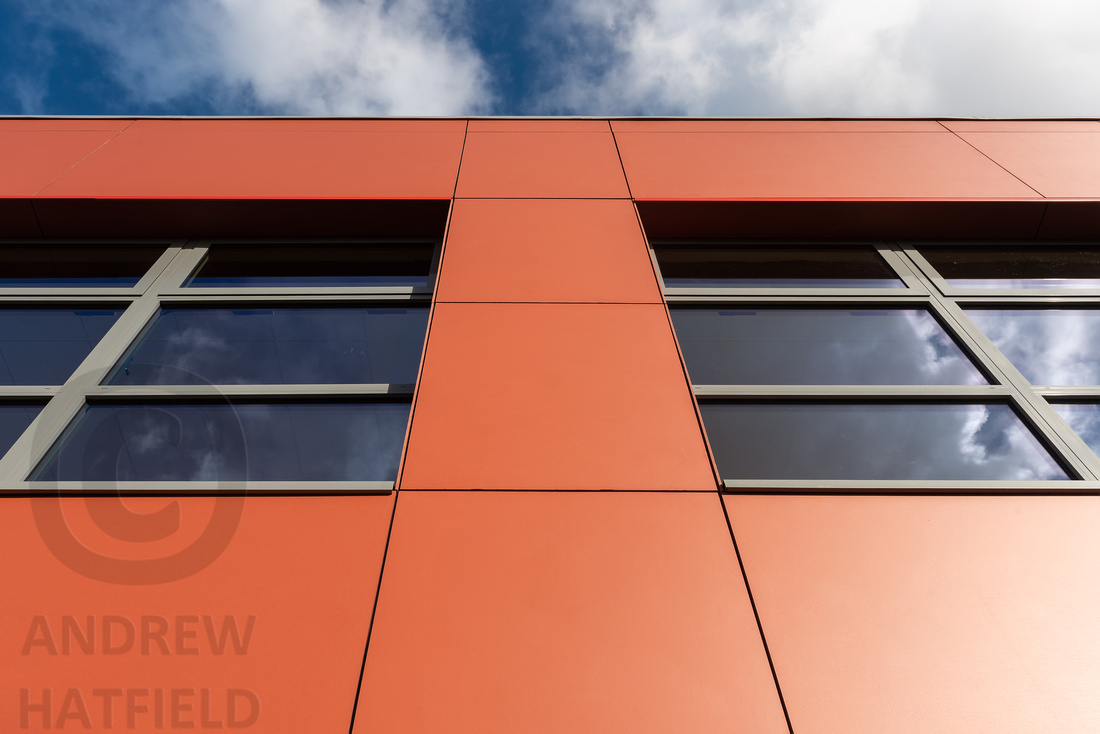
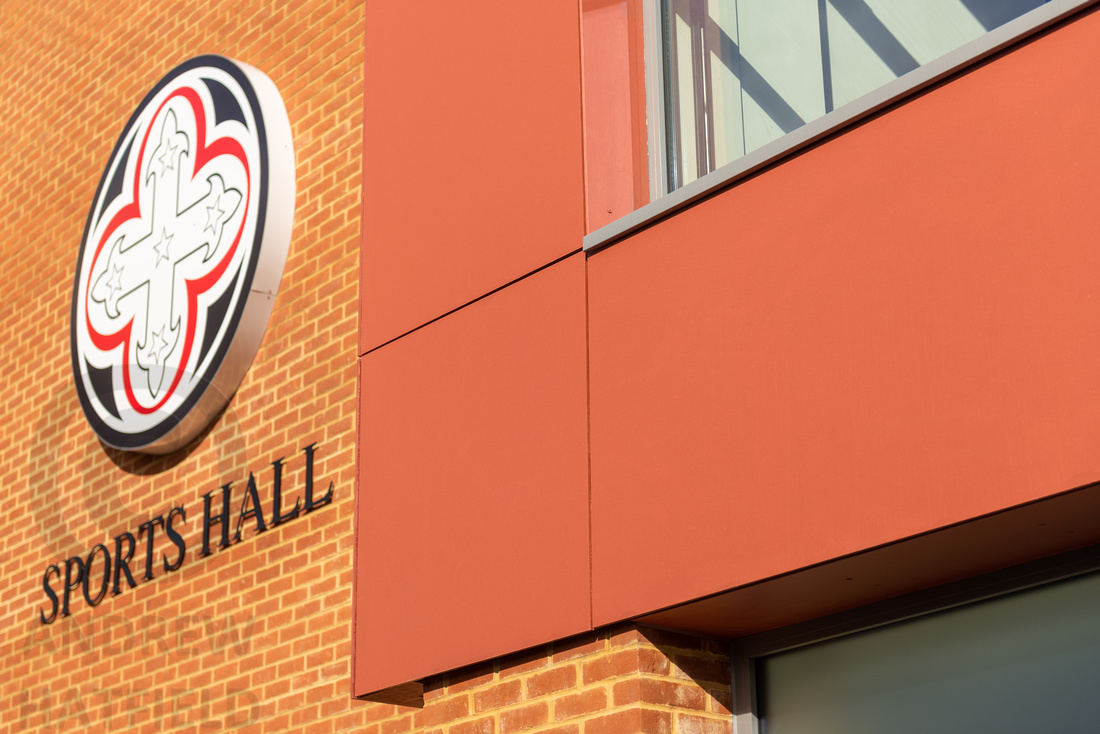
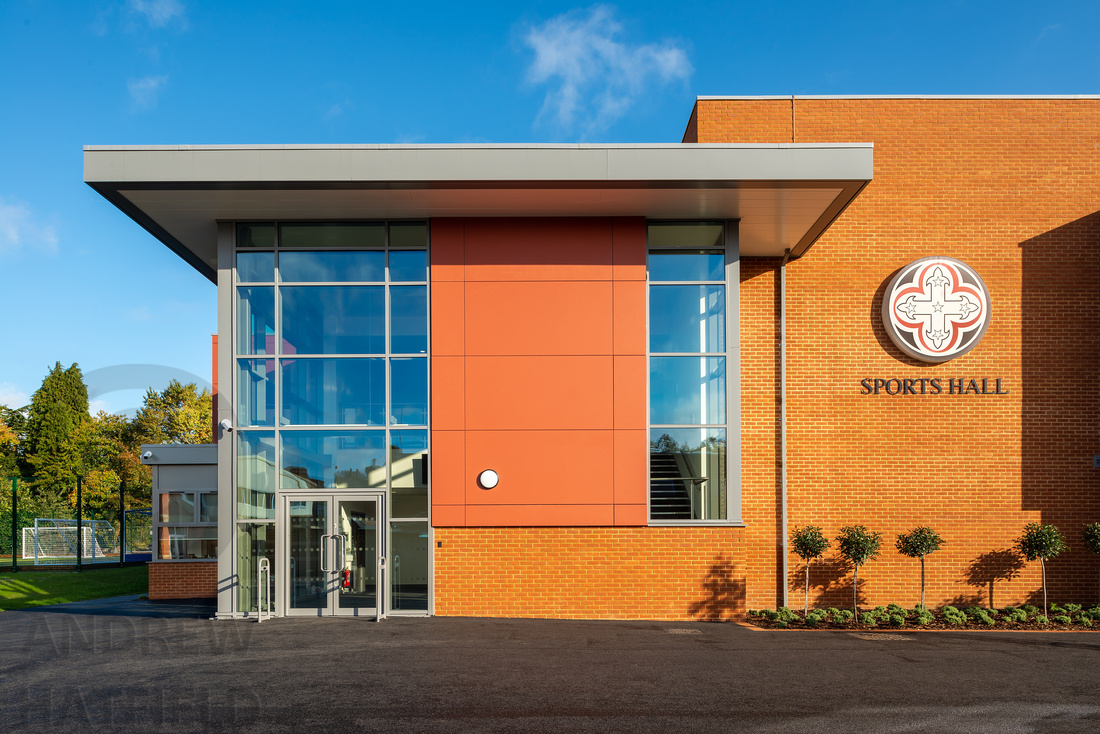
This is the new sports hall at Bishops gate school near Egham, completed in September 2020 after a 12 month build with a project value of £4.3 million. I was commissioned by Quba construction who installed the cladding package and the main contractor was LST projects from Southampton. The day was mostly overcast but the sun came out for about 15 mins. You can get a lot done if you spend the time when it's overcast planning your shots and marking the shooting positions, so that you can quickly go from shot to shot in the minimum amount of time.
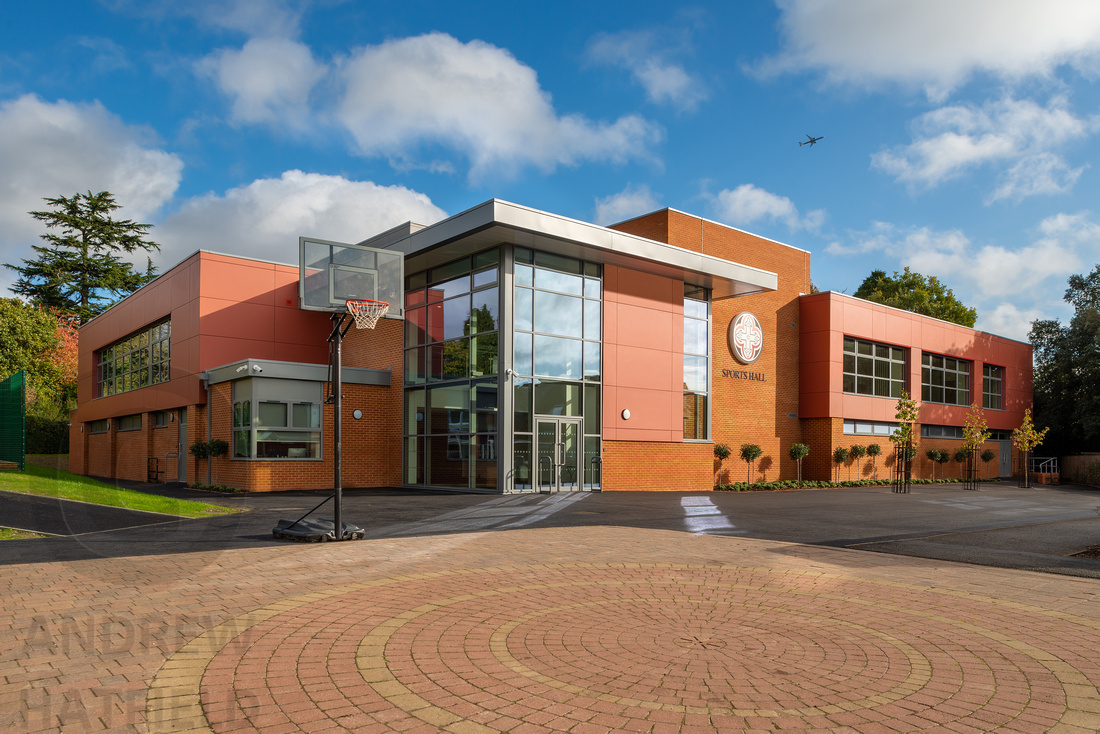 Bishopsgate school sports hall, Windsor - architectural photographyNew sports hall at Bishops gate school Egham, completed in September 2020. Photographed by Andrew Hatfield
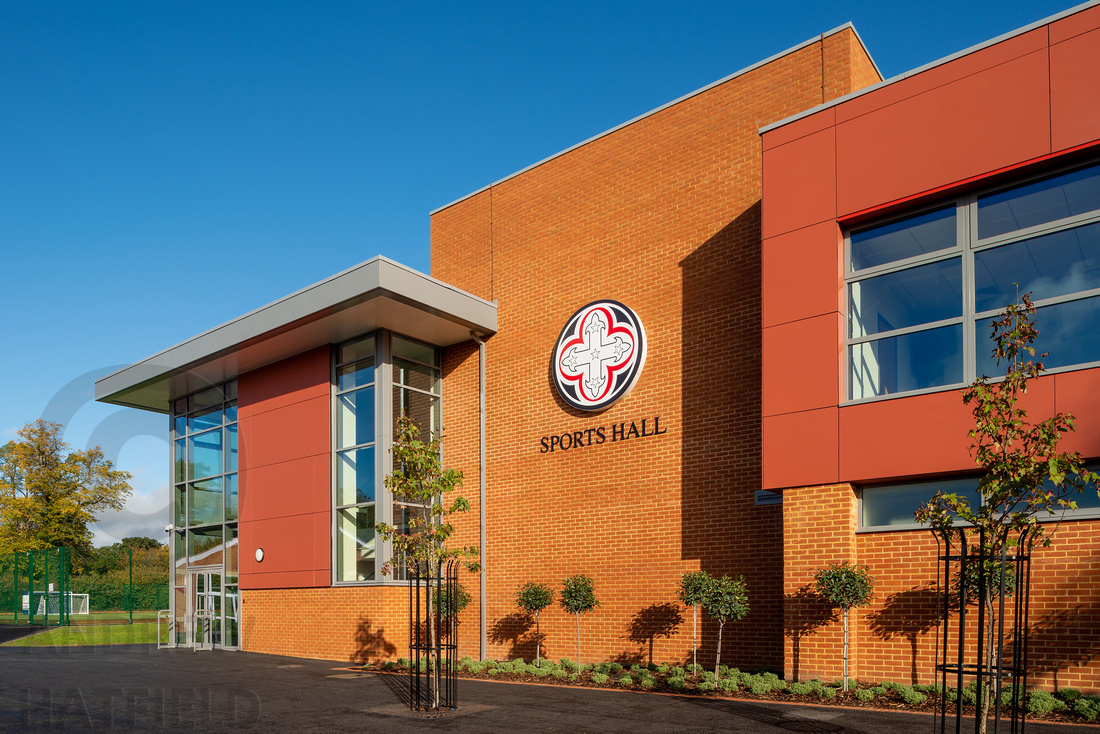 South elevation Bishopsgate school sports hall, Windsor - architectural photography
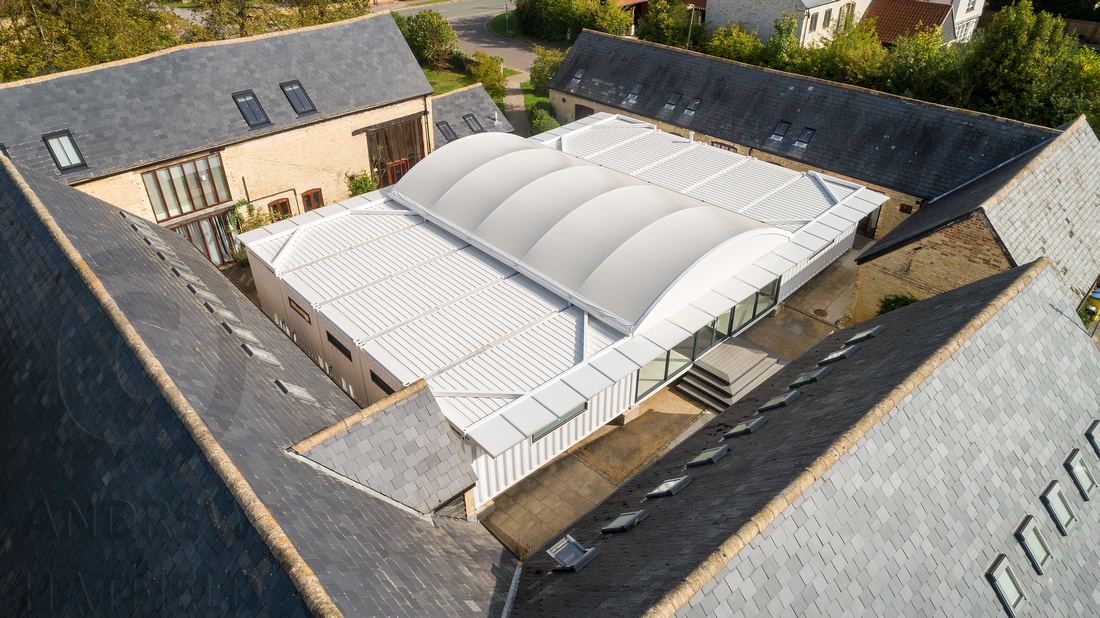
Architectural drone photography of shipping container office project near Cambridge
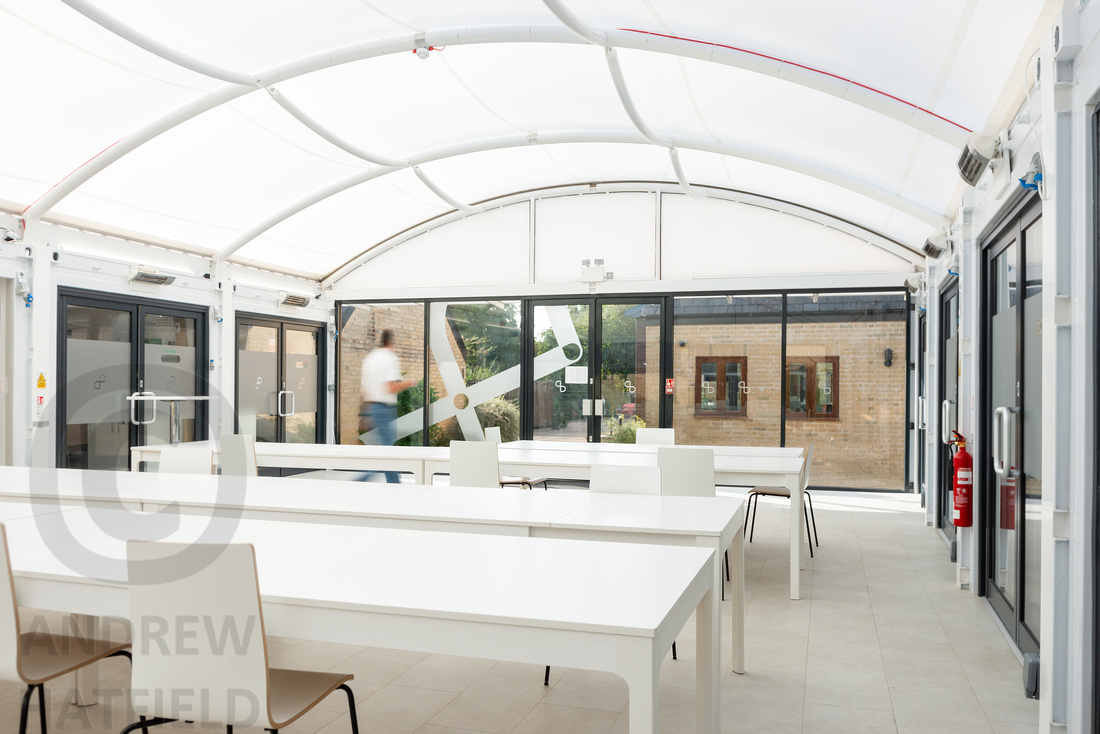
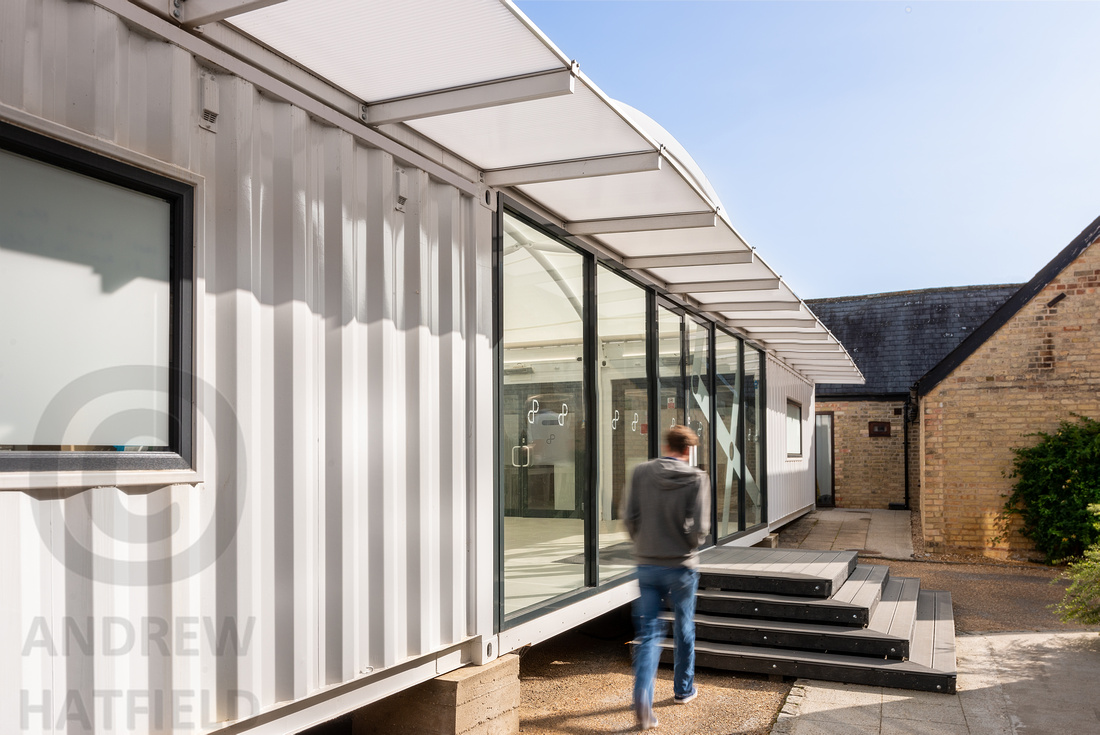
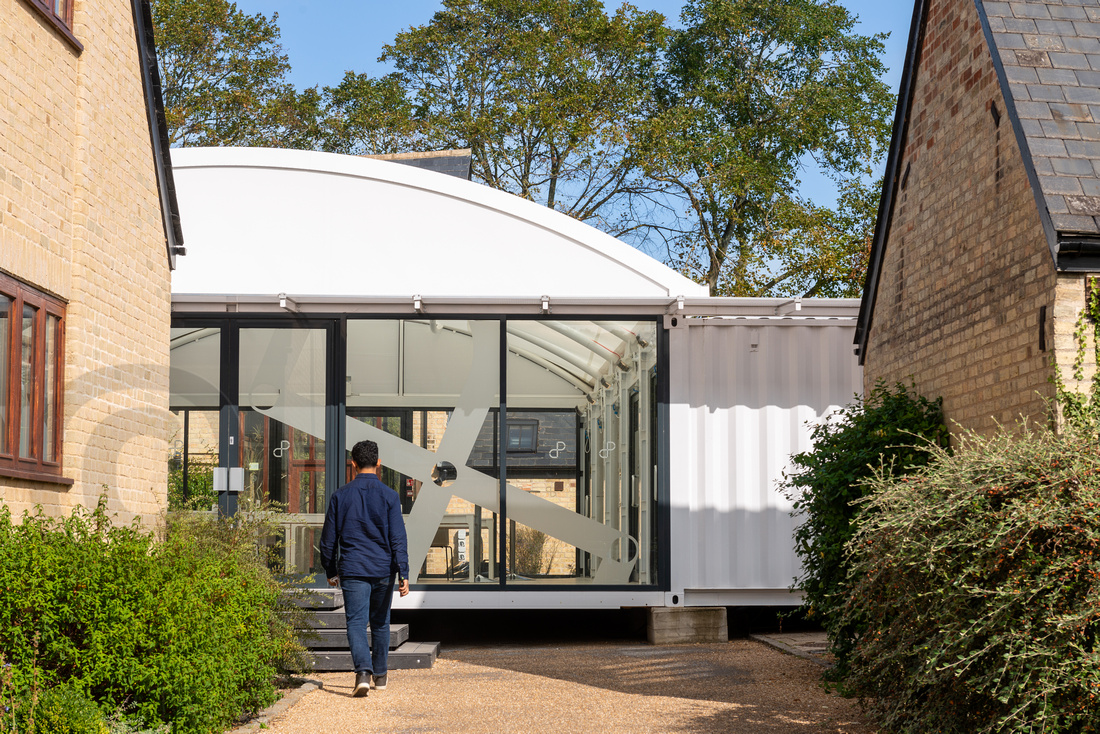
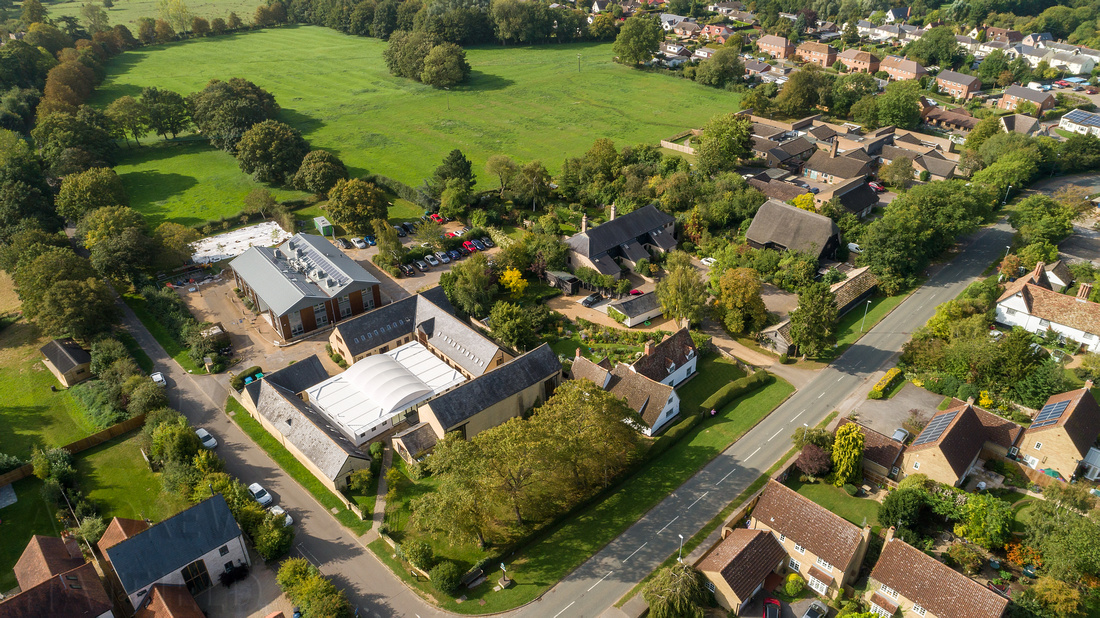
This was an interesting job at Cambridge Design Partnership near Cambridge, commissioned by Harvey Norman Architects. To fill temporary demand for office accommodation 10 shipping containers and a tensioned fabric roof were used to create a suite of meeting rooms with an atrium canteen. The whole installation was all squeezed into an existing courtyard.
We used conventional still photography and low level drone photography to document the project. This kind of scheme really demonstrates the benefit of the drone photography as showing the scale and fit of the installation from the ground would be almost impossible.
Problem importing DJI footage into Premier Pro CC v14
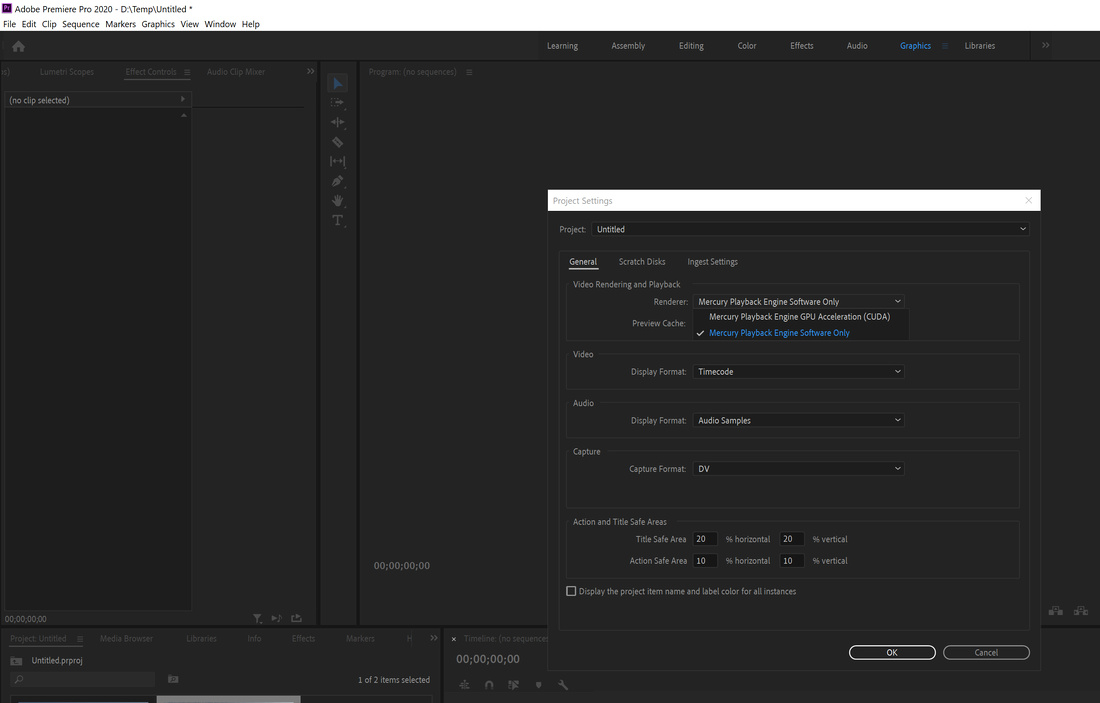
The import of DJI drone footage into Premier Pro has always worked without any issue for me, until recently. I shot some drone footage on the 16th June 2020 and the footage would not import and I got an error saying the files were damaged. This was the case with all the files and a bit worrying after a days filming.
The only thing I could thing of that had changed was the introduction of hardware rendering in Premier Pro.
I turned off GPU rendering and then found the files would import as usual without an issue and that GPU rendering could be turned on after import, also all the files now import without issue whether GPU rendering is enabled or not.
Basel and the Vitra Campus Modernist/High Tech Architecture
I was in Basel for a few days just before it was all locked down due to the Coronavirus. I did manage to visit a few interesting sites though. If you have an interest in Modernist and High Tech architecture the city is well worth a visit when things return to normal. If you like the work of Herzog & de Meuron you will find about 35 of their projects spread across the city centre. The Vitra Campus is also very interesting featuring the work of a veriety of architects spread out across the campus and production areas.
I didn't have time to use all of my architectural photography gear so had to do with my pocket Panasonic GX80 with the 12-32 pancake lens.
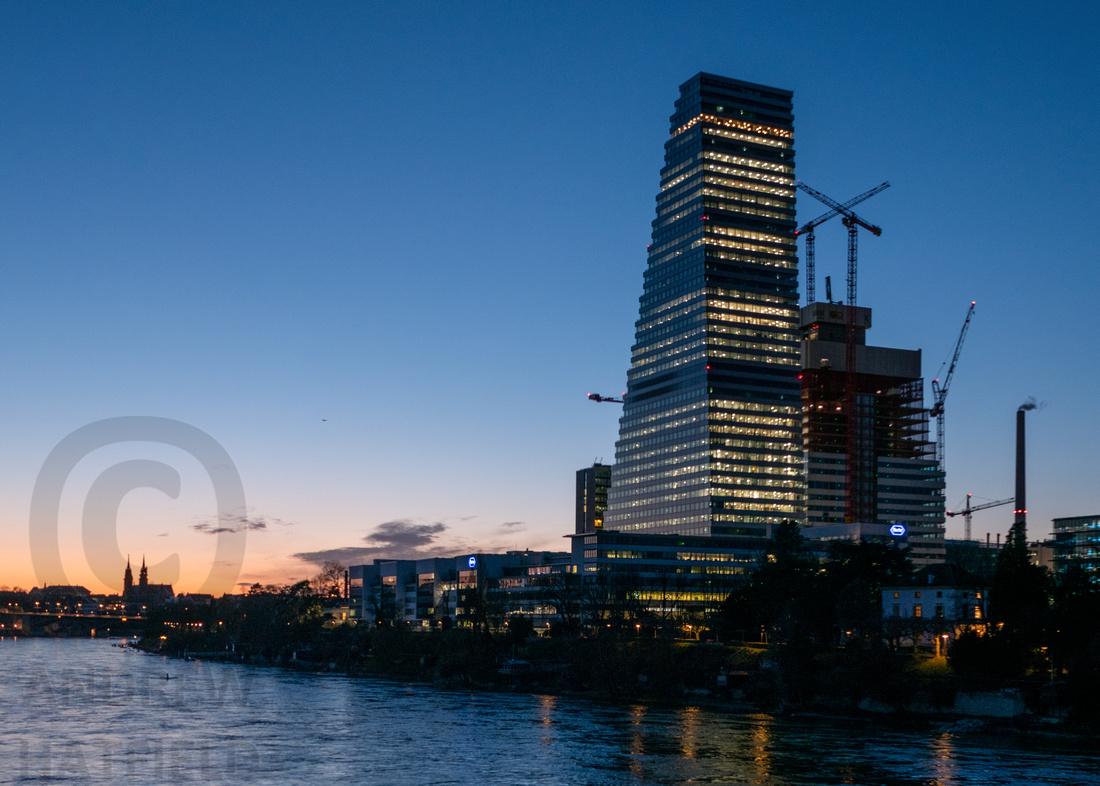 Roche Tower at night also showing the partially constructed second tower, Herzog & de Meuron (2020)
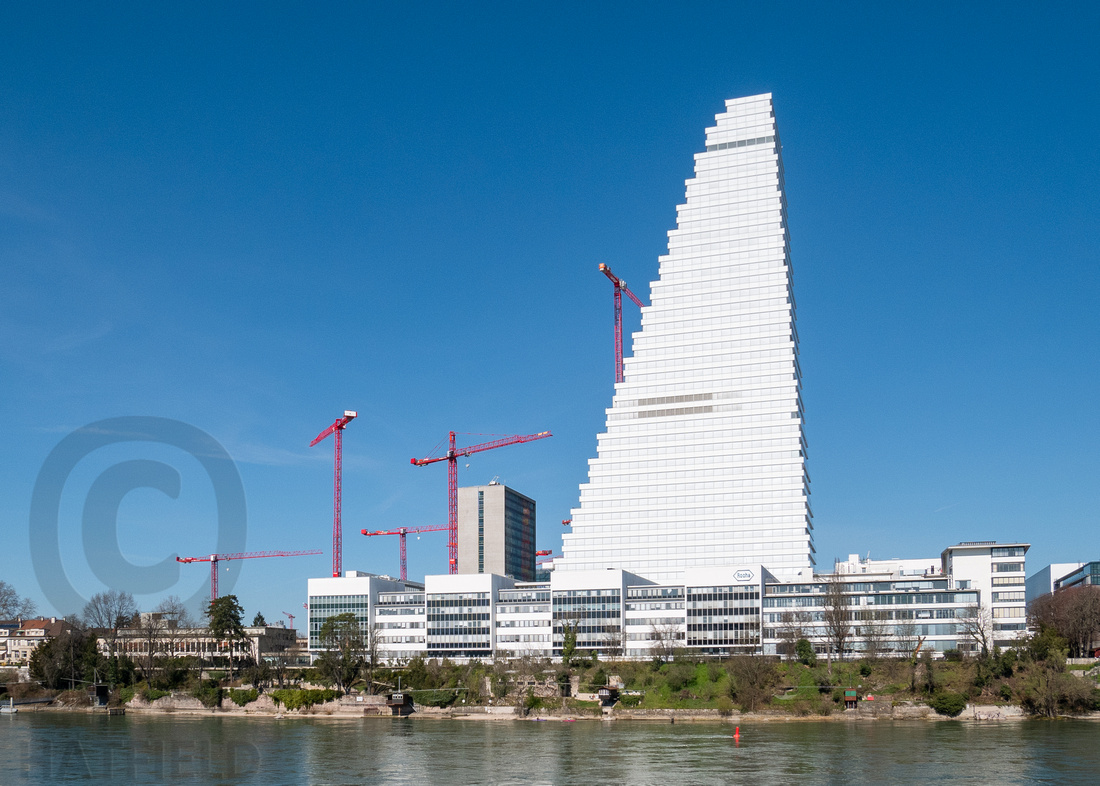 Roche Tower from south of Rhine, Herzog & de Meuron
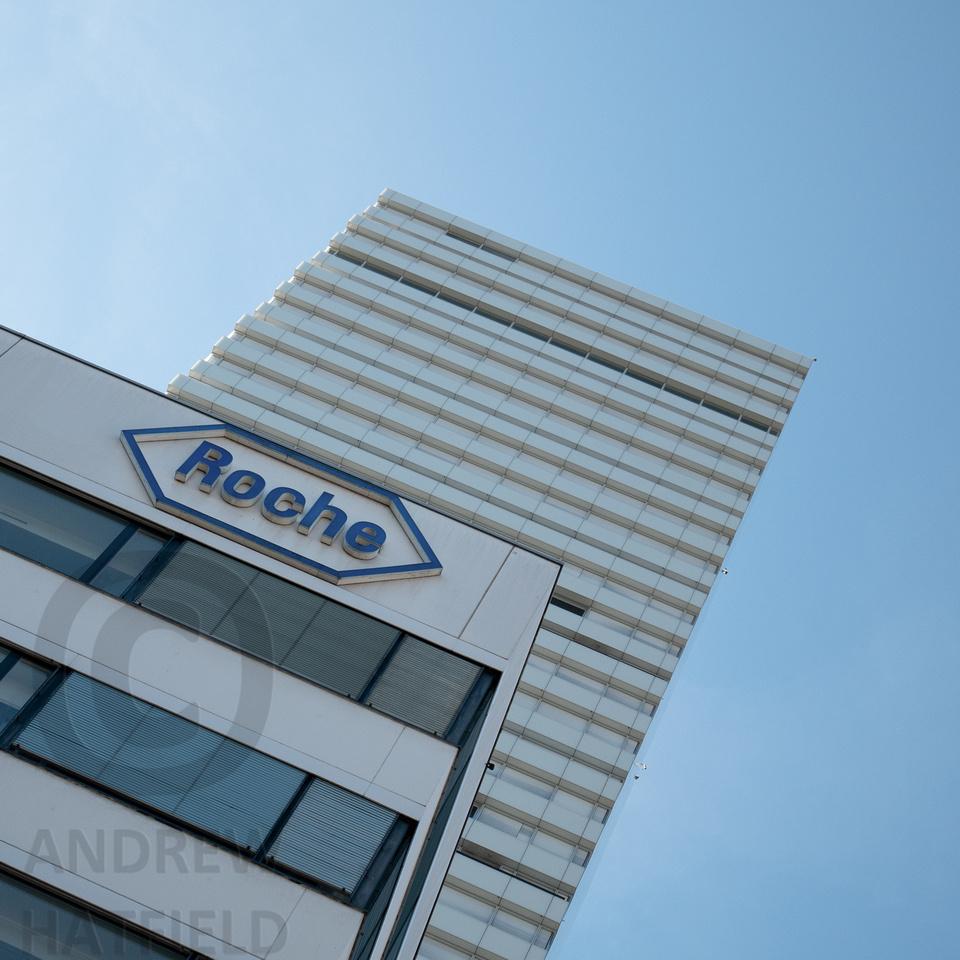 Roche Tower East elevation from street level, Herzog & de Meuron (2020)
 Vitrahaus, Vitra Campus, Herzog & de Meuron (2010)
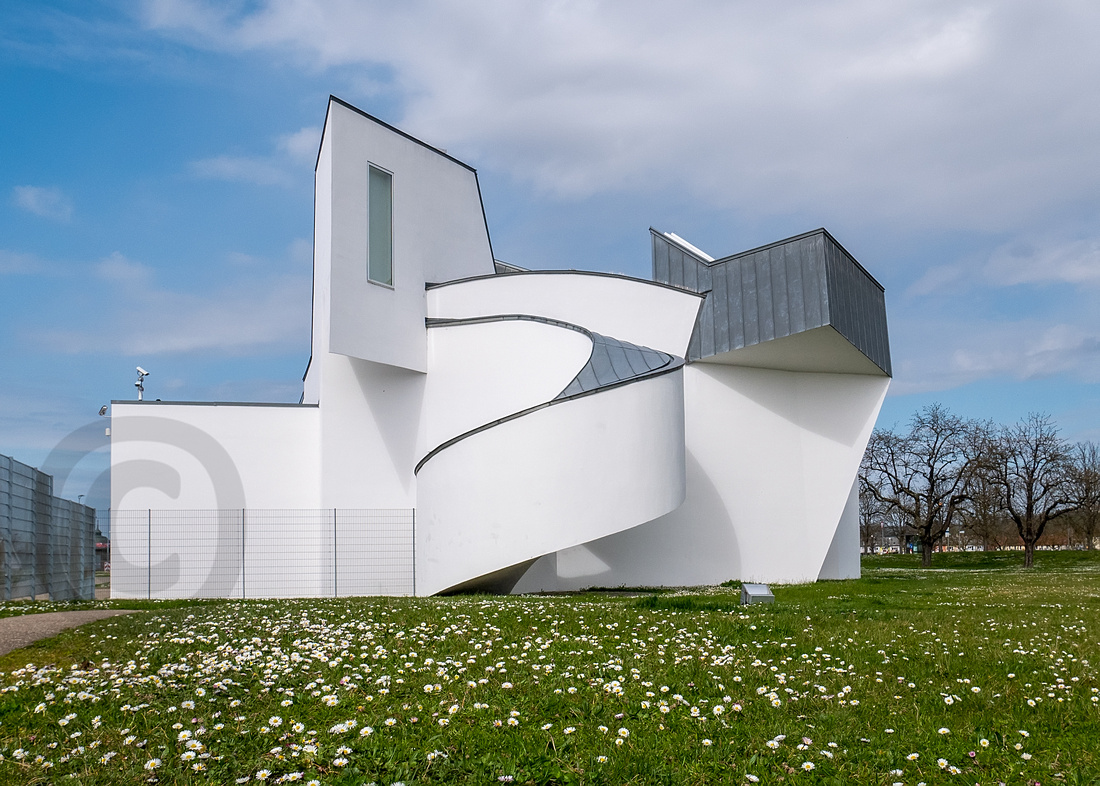 Vitra Design Museum, Vitra Campus, Frank Gehry (1989)
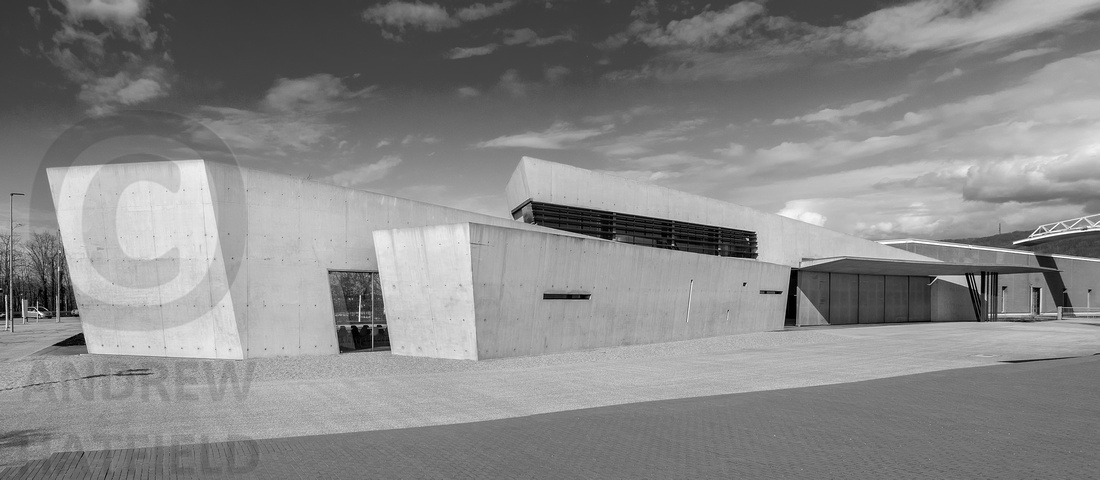 Fire Station, Vitra Campus, Zaha Hadid (1993)
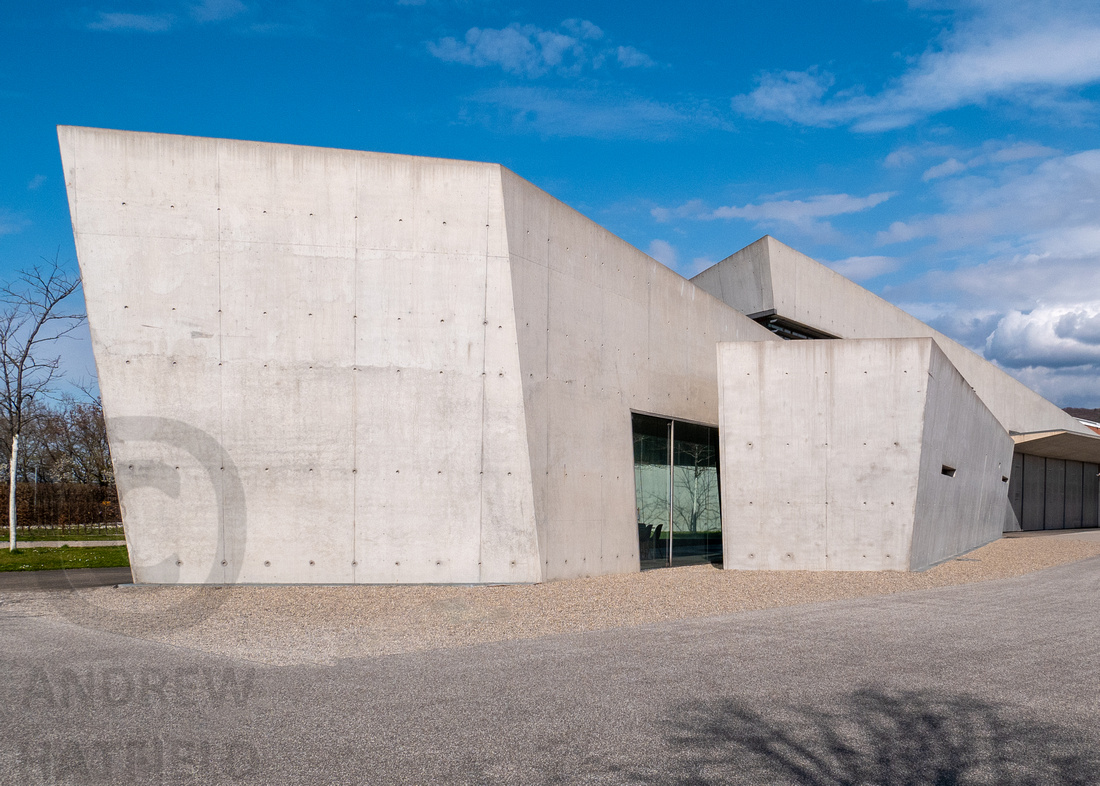 Fire Station, Vitra Campus, Zaha Hadid (1993)
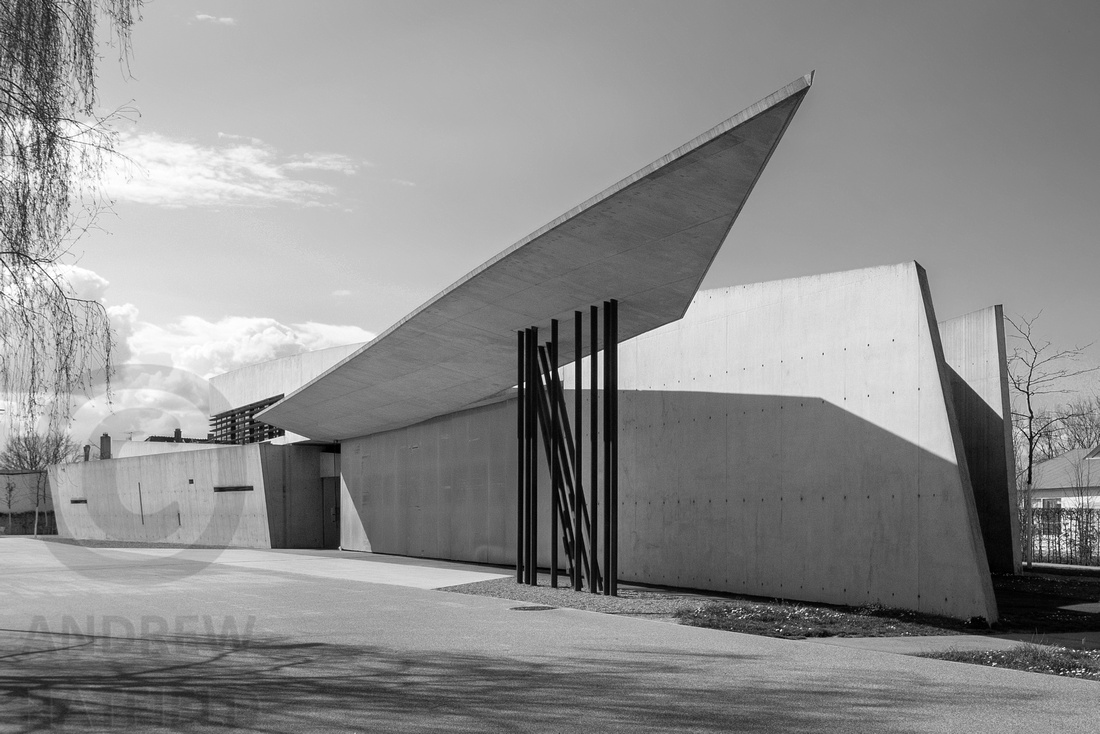 Fire Station, Vitra Campus, Zaha Hadid (1993)
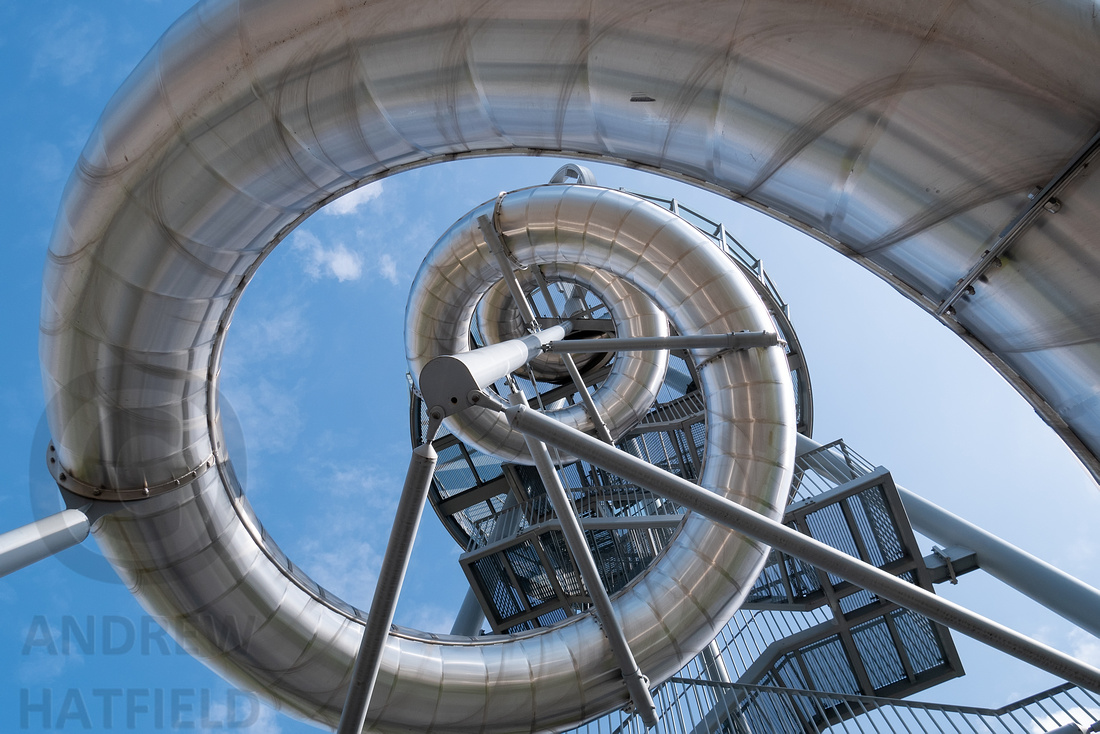 Vitra Slide Tower, Vitra Campus, Carsten Holler (2014)
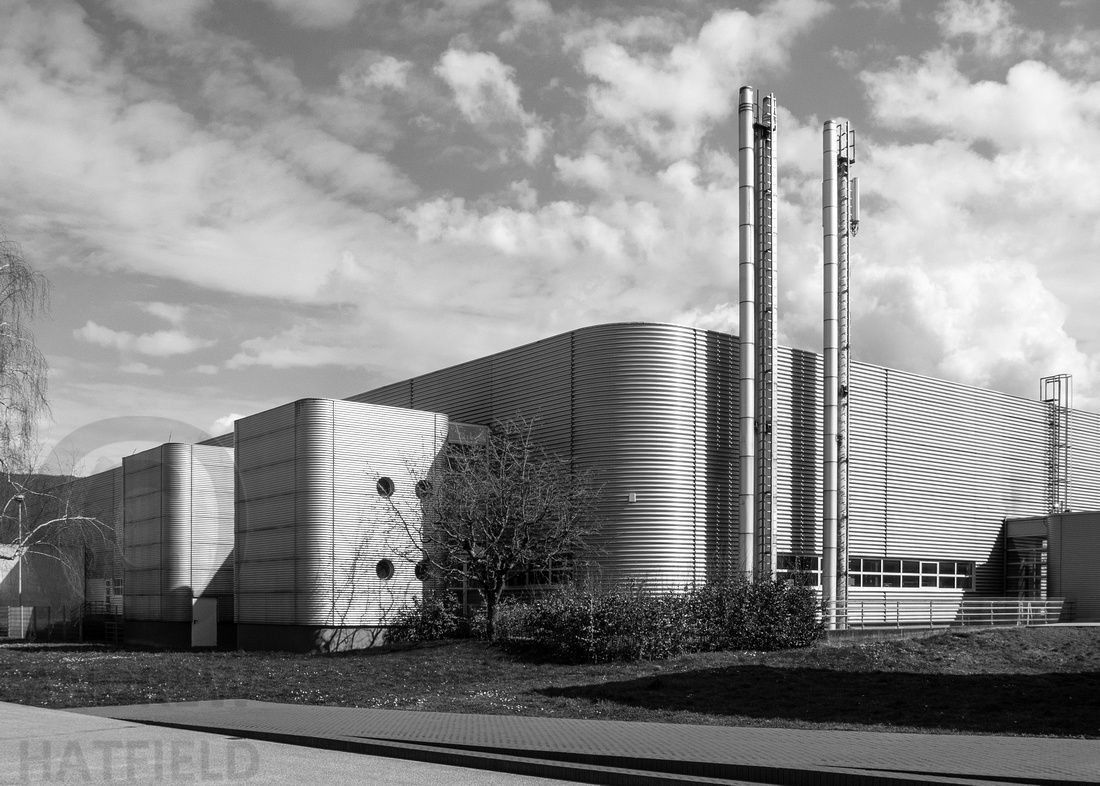 Factory Building, Vitra Campus, Nicholas Grimshaw (1983)
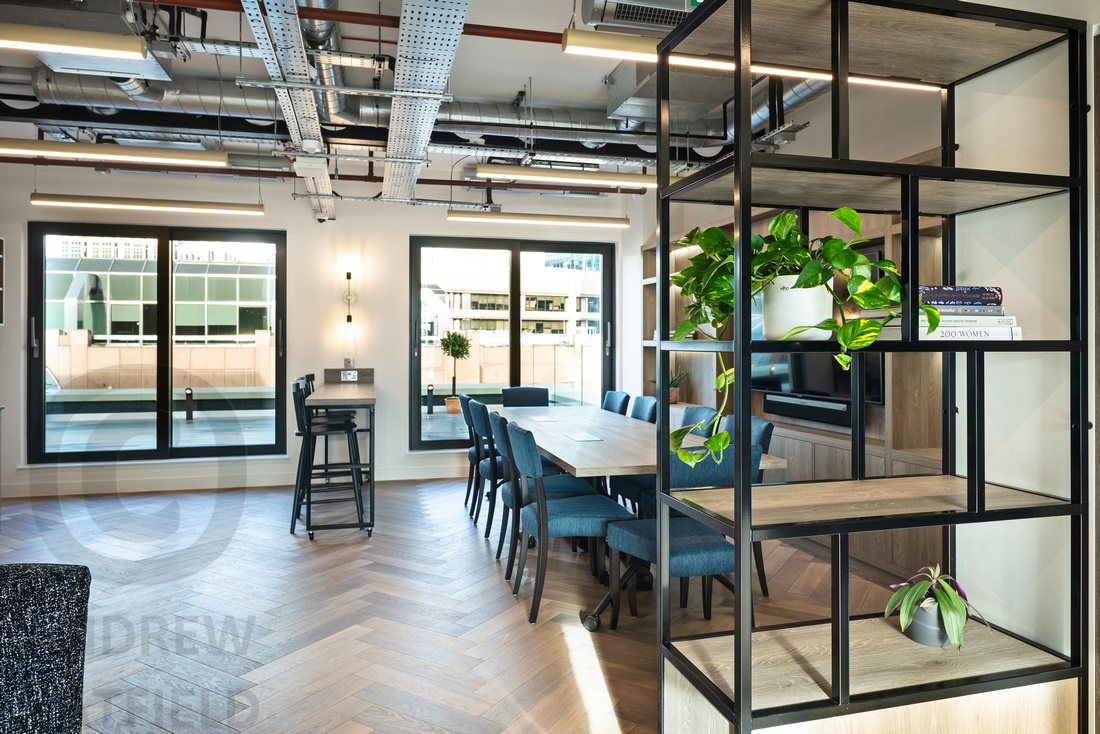
Interior photos of Ingleton Wood's new offices at 10 Alie Street, London
I have had regular commissions from Ingleton Wood over the past 10 years and it was great to be asked to photograph there new offices at 10 Alie Street in White Chapel. The whole design and implementation of the project was handled by staff from the London office. Running the project and the relocation was no doubt helped by the fact it was just a short walk across the street from there old offices at 1 Alie Street.
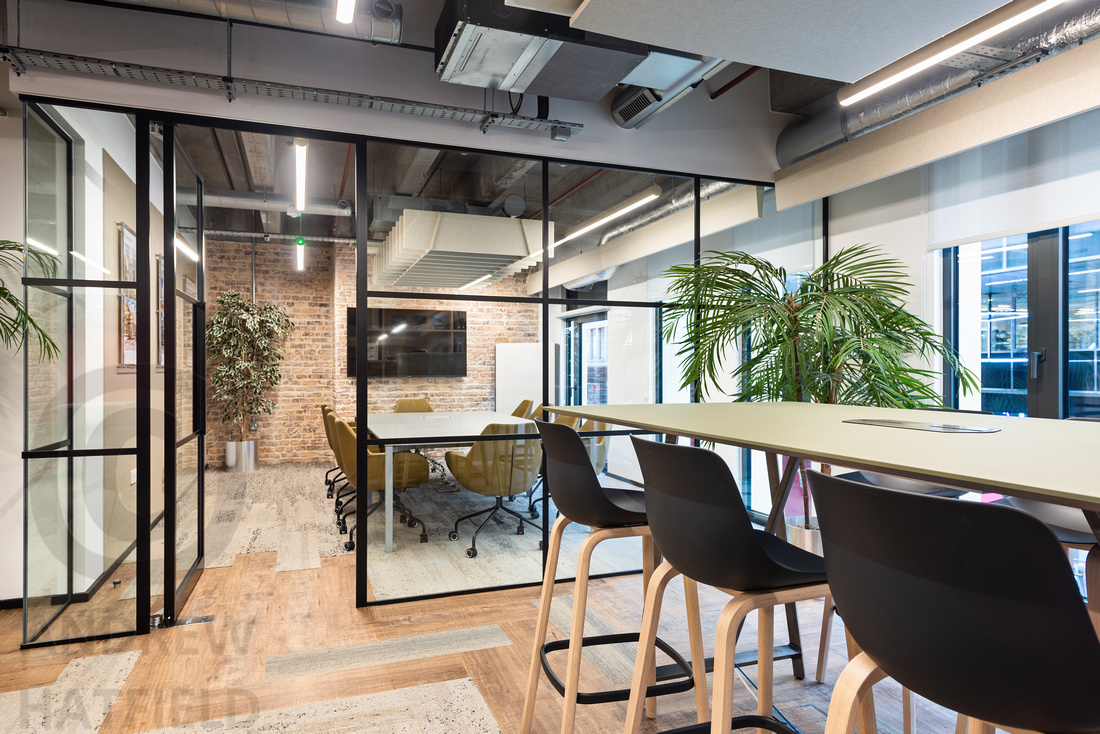
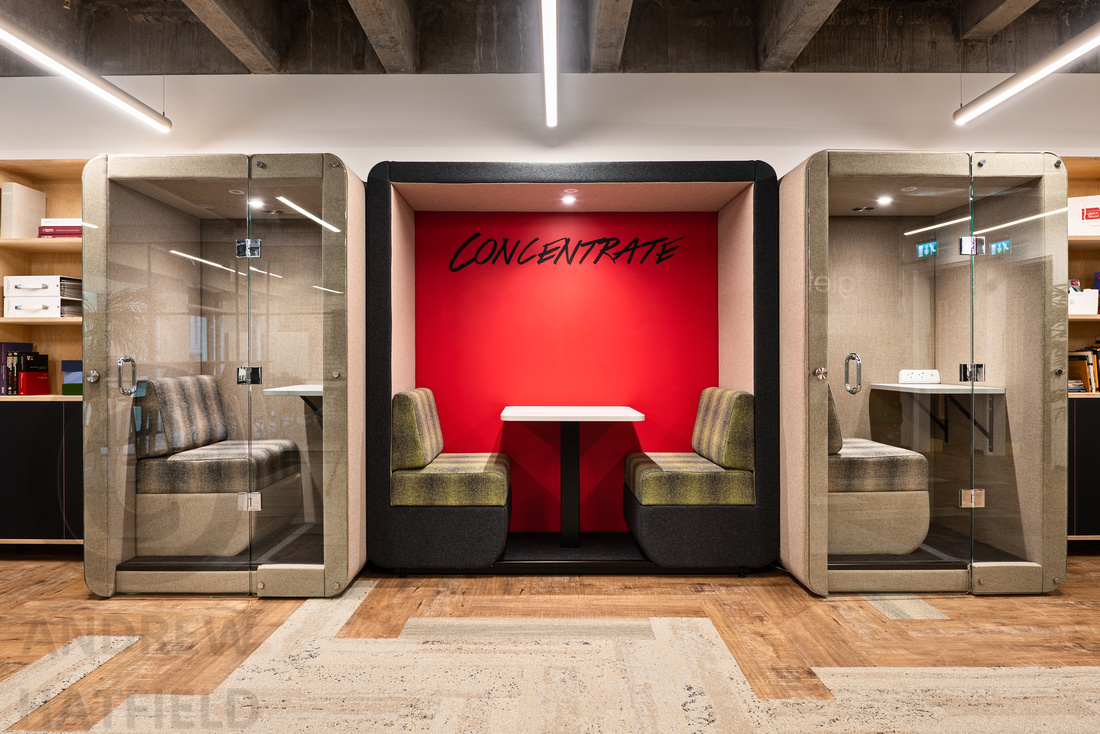
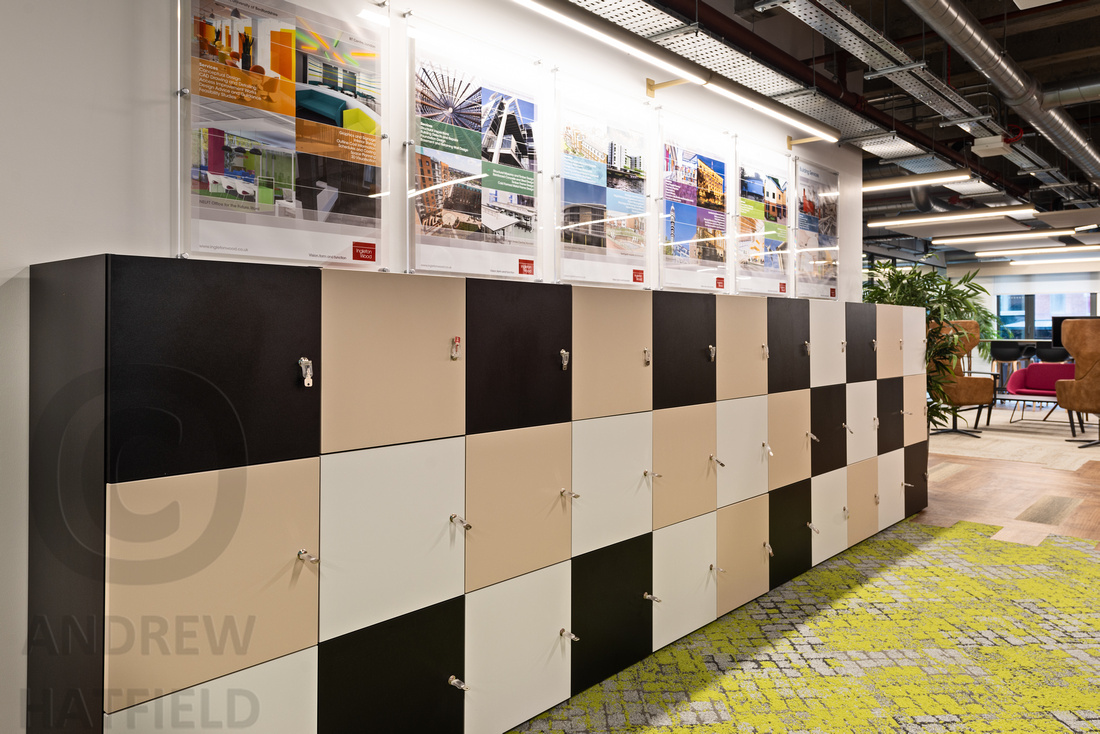
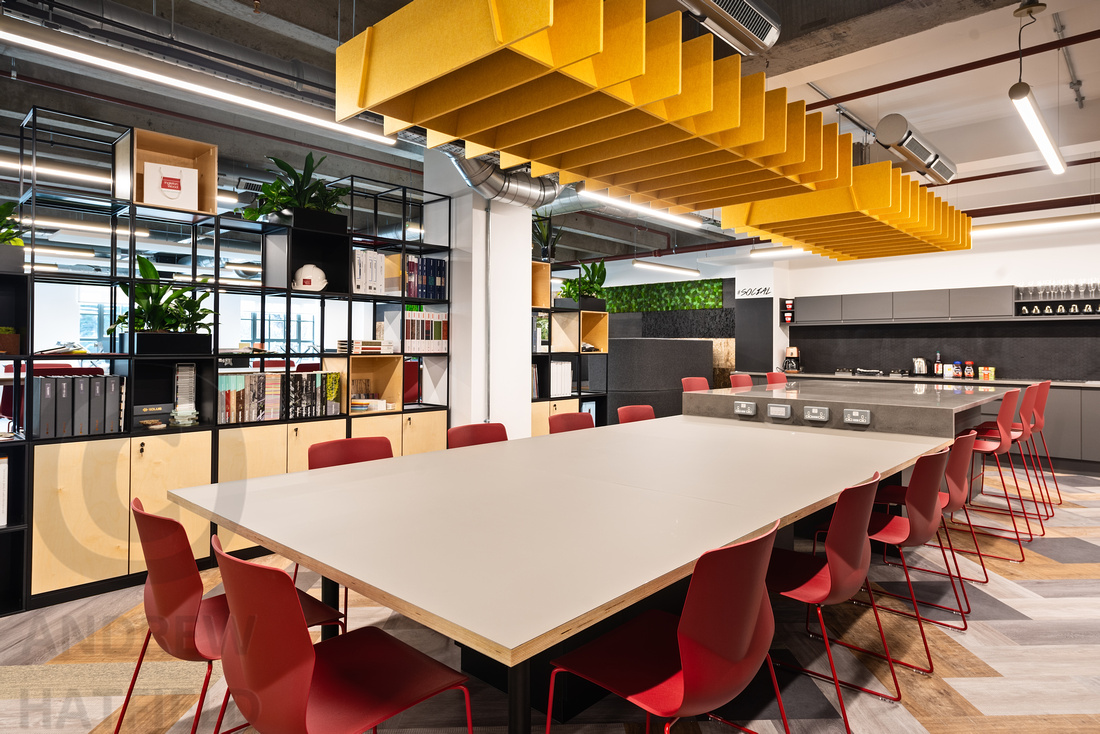
DW Windsor's illuminated Garda Handrail photographed at night on St. Paul's Vista
This was an interesting project to photograph for DW Windsor and was one of the first projects arising from the City of London’s Lighting Vision. The scheme has lots of benefits in terms of centralised control and reduced energy consumption but from a photographic point of view the benefits were improved night views of St. Paul's cathedral and replacement of the blanket lighting with localised lighting using illuminated hand rails. Shorter light columns have also been used to reduce the visual intrusion as you walk up St. Peters Hill. This really draws your eye to the cathedral but provides plenty of light where it's needed. They have also gone for a much more traditional colour temperature of 2700K which seems to add to the character of the location. It's usual practice with photography to correct the colour temperature to give a more neutral colours. Although in this instance the client wanted to show how the lighting maintained the heritage look and warmth of the lighting.

Drone photography of limestone extraction in Derbyshire quarry
There are lots of things to be considered when planning commercial drone flights. The main aspects are identifying and mitigating safety risks, considering intrusions of privacy and the effects on other air users. These factors normally have a negative impact on what you can photograph and how you can photograph it. With that in mind it was a real pleasure to photograph this limestone extraction at a quarry in Derbyshire. The location was well away from other properties and the only people on the shoot were safely enclosed in huge plant. It's nice to have the freedom of knowing your 2kg drone isn't going to damage a 60 Tonne excavator and you can get as close as you like to the work.
Working on the shortlisted forterra Brick Design Award entries 2019
I have recently been out photographing submissions for the Brick Design Awards 2019. The first scheme below is a new 6 storey student accommodation building in Hunter Street Chester. The building was photographed in the late afternoon to provide good contrast and show off the detailing on the South elevation. The project has been shortlisted in the Medium Housing Development category.
The second scheme is a housing development at Kings Hill, West Malling. Photographed on a clear day giving good contrast to show of the detail accurate exposures were needed to make sure all the detail was retained in the light brickwork. The project has been shortlisted in the Large Housing Development category.
New commercial drone video showreel
I have recently update my drone show reel, watch it in full 4K on youtube.
The video features,
Holdenby House, Northamptonshire
The Moller Centre, Cambridge
Franklins Gardens, Northampton
Elekta, Crawley
Unite Student accommodation, Durham
Centurion Golf Course, St. Albans
Imperial Tabaco, Southampton
INEOS Transatlantic Racing HQ, Portsmouth
Tile Mountain, Stoke on Trent
Combined night photography and drone photography for award winning lighting scheme in Wiltshire
Here are a few shots from a night shoot in Bradford on Avon, Wiltshire. The brief was to document an new car park lighting scheme which has recently been awarded the Good Lighting’ award by the Commission for Dark Skies and received a 5 star rating by Lux magazine. The shoot was made up of conventional still photography and drone shots. The drone shots were used to show off the scheme as a whole and demonstrate how well the light distribution was controlled. The shoot was commissioned by UK lighting manufacturer DW Windsor. Just be aware you do need additional permission from the CAA for commercial drone flights at night.
Drone filming and architectural photography at INEOS HQ, Portsmouth
Drone filming and architectural photography at INEOS HQ, Portsmouth
This was really interesting combined drone video and architectural photography shoot at the INEOS sailing teams HQ in Portsmouth. The work was commissioned by Prism Architectural from Mildenhall who designed and manufactured the glazed facades to the main building and feature stairwell. The drone was used to get close to the façade while still allowing the building to be shown in context, these type of shots emphasis the fact that the creation of narrative and the use of strong composition are just as important when using a drone or conventional ground based camera.
It was great project to document and using the drone really made the shoot, although having to fly round the aggressive seagulls and deal with the radio interference from the adjacent Isle of White ferry made it a bit stressful.
Urban drone film shoots like these take a lot of planning and co-ordination to make sure risks are minimised and all the conditions laid down by the CAA are adhered to. Thanks to INEOS for their help and particularly Sarah Alexander for making it all happen.
One Angel Square wins coverted RIBA East Midlands Award 2018
Nice to see that One Angel Square in Northampton was a winner in the RIBA East Midlands Award 2018. Congratulations to BDP and Consarc.
It was great to revisit this completed project in 2017 after being commissioned back in 2013 to take the original images used for the design competition visualisations.
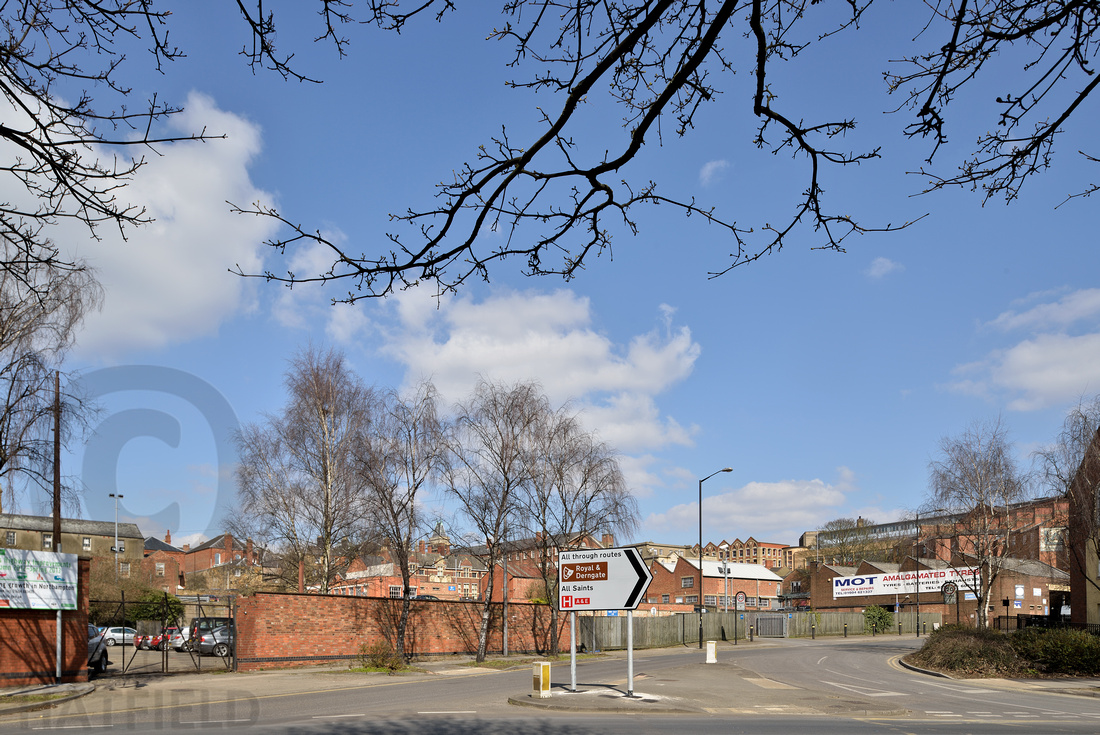

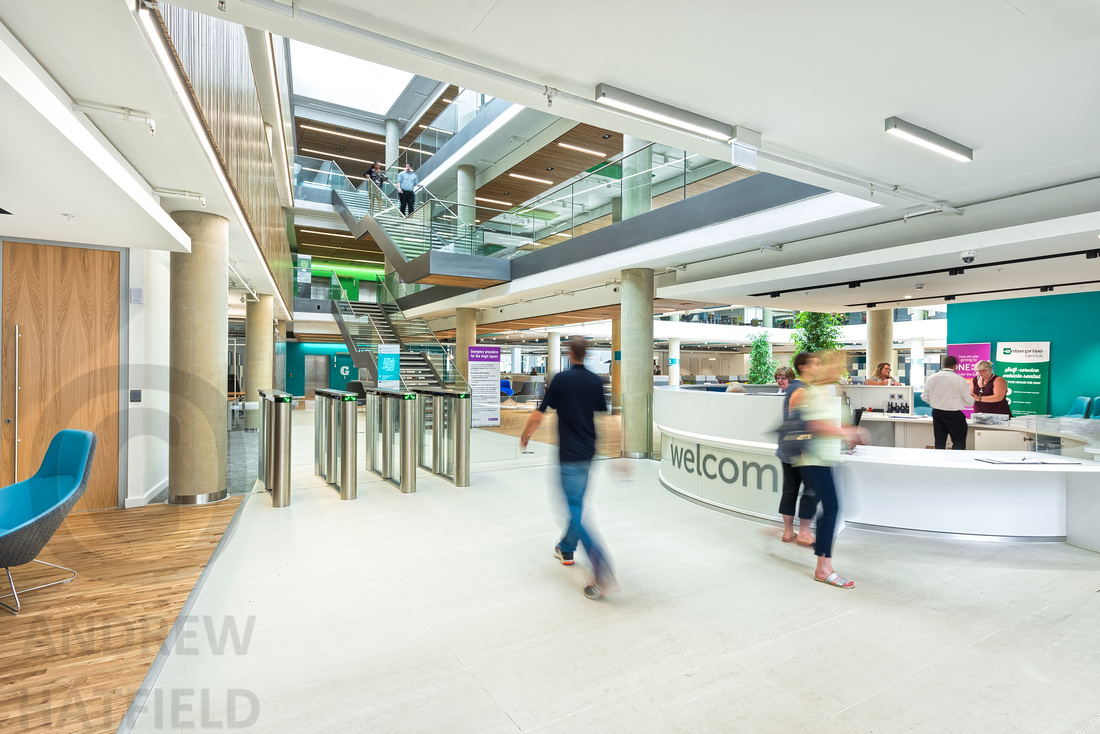


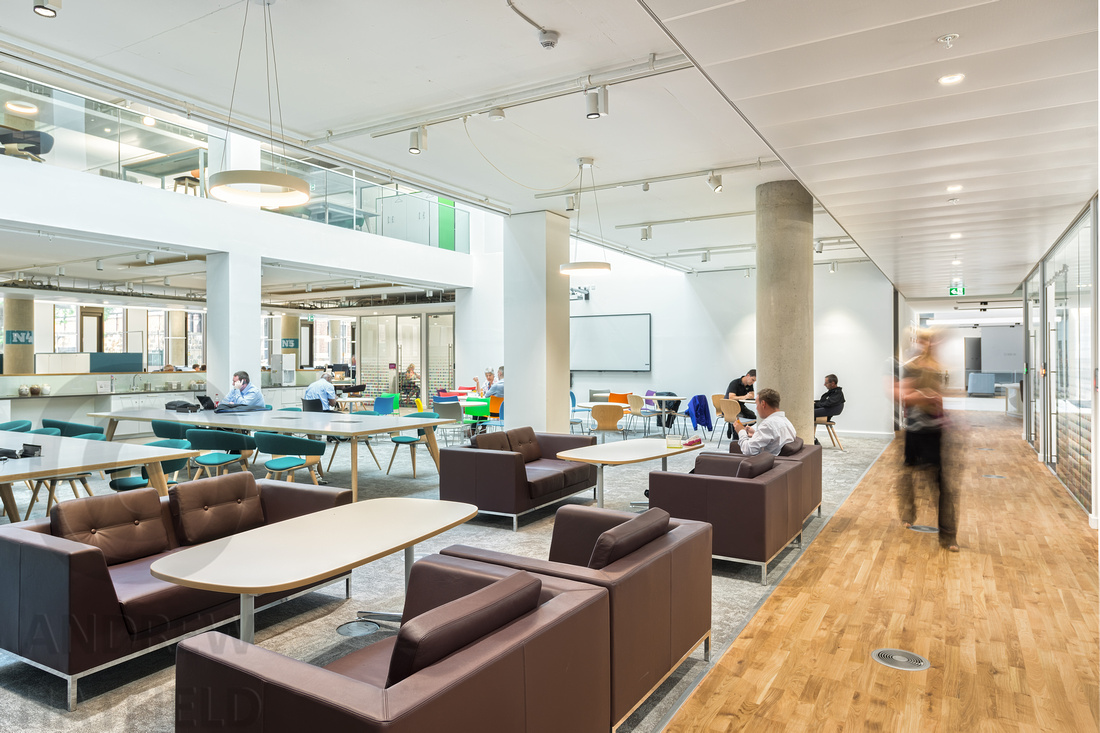

Cornerstone, Crawley, Drone video and Architectural photography project
This project is located at Cornerstone in Crawley, a redevelopment project within the Air Traffic Zone of London Gatwick Airport. With the weight of drone that I use it would be legal to fly within this area without the permission of Gatwick Airport Air Traffic Control, although I didn't feel this would be very wise. I approached LGA and applied for their own Permit for the Operation of UAV's. This was fairly straight forward although they requested that I reduce my maximum operating height from the usual 130m down to 50m. This wasn't a problem for me as the images I like to capture are generally lower than this showing off the building elevations rather the plan.
The second part of the project was still photography of the exterior and the spectacular interior space.
A photographers guide to commercial drone operations - updated May 2018
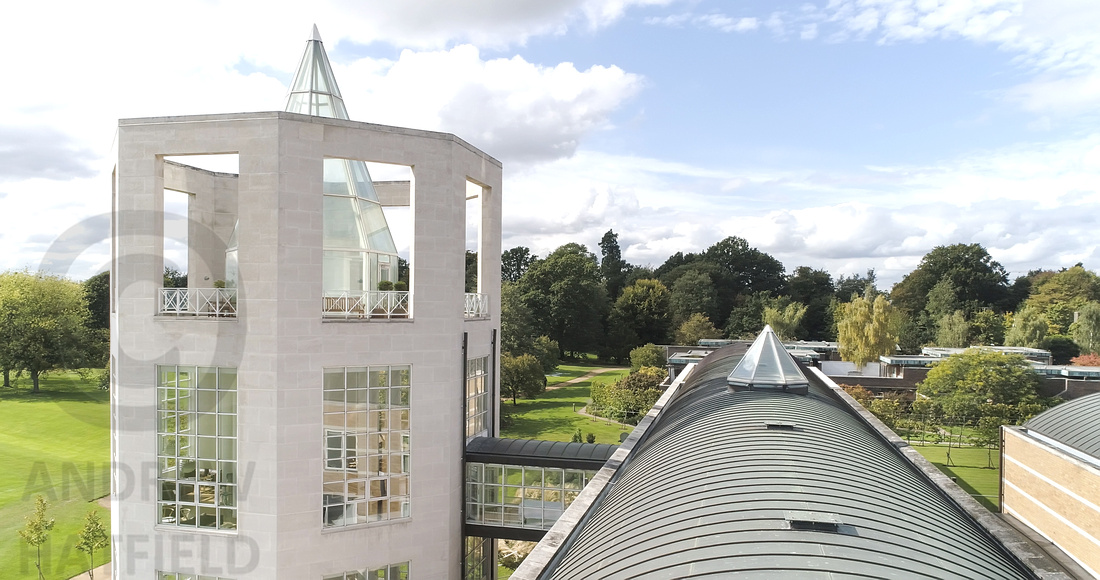 looking west above the moller centre cambridge - aerial photographyexample of commercial drone photography and video in cambridgeshire
I’ve recently completed all the various steps to obtain CAA permission to operate a drone or UAV in CAA speak on a commercial basis. When I was looking in to the process in spring 2017 I found it difficult to find all the stages I would need to go through to actually receive the paperwork from the CAA. This is not an exhaustive guide to the route merely my view as a architectural photographer and video maker wanting to extend their services to offer clients aerial imagery. At the start of the process I had little experience with remote control models and no experience with the usual quad rotor drones.
After a number of enquiries from existing clients wanting aerial imagery I decided to begin the process of obtaining the relevant CAA permission to operate. The first thing I found was that I would need some training to prove to the CAA I was competent to operate a drone. There are loads of companies offering training and assessment services on the web but the CAA publishes a list of approved training organisations.
I contacted a few of the companies on the CAA list and picked Cambridge UAV Academy because they were very efficient when answering my queries, they ran regular monthly courses, offered free retests and they were fairly local. They weren’t the cheapest but the cheaper firms would have required greater travel costs, hotel accommodation and some didn’t offer free retests which I thought I might need.
Around the middle of March I booked onto Cambridge UAV’s 2nd/3rd May course, at the same time and after a fair bit of research I purchased a DJI Phantom 4 Pro and a Seyma X5. When you come to take your flight test you need to show that you have at least 2 hours flight time on the drone you are being tested on. Having never flown a drone I was a bit reluctant to risk the £1500 Phantom 4 at the start so would practice on the £35 Seyma X5 toy drone in the evenings before using the Phantom at the weekends. It took me about 10 hours on the Seyma before I could get to grips with the control reversal you need to use when the drone is coming towards you.
When the course came round I joined about 20 other people at Cambridge UAV’s offices in Godmanchester and was treated to 2 full days of classroom lectures on Air Law, Meteorology, Flight planning etc. all fairly boring stuff but the instructor Alan Perrin shared enough anecdotes and real world scenarios to keep it all interesting. There was an exam on the afternoon of the second day and everyone passed.
Once you have passed the exam, have at least 2 hours flight time on type and obtained commercial drone insurance you can take the flight test. I was lucky in that I had said to Cambridge UAV that I could be flexible on dates for the flight test, this combined with a run of decent weather meant that I was able to take and pass the flight test on the 10th of May. It could easily take a couple of weeks to get a test if the weather isn’t great.
With the exam and flight test in the bag I then had to complete a Commercial Operations Manual outlining how I was going to apply the theoretical knowledge gained on the course to my real world drone operations. Covering everything from pre-flight assessment, risk assessments, drone maintenance, record keeping etc. The idea being this is a bespoke document written to support a specific operation and a typical manual is about 60 pages long. In my case there were a couple of ways of creating this, the first was to produce the document from scratch and then forward it to Cambridge UAV for proofing and editing before CAA submission. The second option was to use Cambridge UAV’s Ops. Manual writing service, where they take your specific details and modify their template accordingly to produce your bespoke manual. Although this isn’t a free service it will save you a considerable amount of time and effort. I went for the Ops. manual writing service and soon received my draft manual from Ca
All of the above had to be submitted via email in pdf format. When I submitted it I didn’t receive any form of receipt. The CAA advise they can take up to 28 working days to process the application. I received my permission via email on the 12th of June 2017 one month after submission without any issues. This permission is valid for 12 months.
Another thing that is a bit difficult to identify at the start of the process is how much it is going to cost. In my case I have spent the following.
| Cambridge UAV Academy Training and Flight test | £1,194 |
| Cambridge UAV Academy Ops Manual Service | £358 |
| Commercial Drone Insurance | £407 |
| CAA Submission Fee | £173 |
| All these include VAT where applicable | TOTAL £2,132 |
I hope that’s of use to anyone contemplating applying for permission to operate a drone commercially. There is a lot more information on the CAA site and it’s worth checking on there regularly as guidance and the regulations appear to be changing constantly.
Get in touch if you would like any Architectural aerial video or stills work throughout the UK but particularly in Cambridgeshire and Northamptonshire.
Renewal Process
It has been nearly a year now since I was granted my PfCO and I have just renewed my permission with the CAA.
- Operations Manual with any revisions, completed update log, signed and dated
- Form SRG1320 requesting renewal and providing payment details
- Evidence of your insurance cover
The fee for a renewal and initial applications has recently increased, as of 01/04/18 it is £243.
You can apply for renewal up to 90 days before the expiry of your existing permission, I applied on 12/04/18 and had the new permission granted on 30/04/18. I took the renewal opportunity to apply for variation as well and have added a Night Rating to my existing permission, all detailed in my revised Ops Manual. A separate variation to the PfCO would cost £243 and require submission of the same documents as the renewal.
General Observations
Here are a few of my observations regarding the commercial operation of a drone in the UK from a photographers perspective which you should consider when working out your business case.
In addition to the above original set up costs I have had to purchase 6 additional batteries and an additional charger to allow me to fly uninterrupted for half a day. Typical cost of Phantom 4 Pro batteries is about £160ea.
If you place a high importance on the quality of imagery you need to working in good light with some level of direct sunlight. Good light with low winds can be a bit difficult to forecast and days with both seem fairly infrequent requiring flexible clients and lots of rebooking.
Lots of time can be wasted in looking at the feasibility of flights, quoting work and rebooking flights and you should consider how you are going to account for those costs.
Drone technology is developing very rapidly at the moment, features and performance are going up while the cost is coming down. The cycle of significant drone upgrades and releases appears to be around 18 months. As a result you should consider the repayment of any capital investment over much shorter periods than normal camera equipment.
mbridge UAV. It needed a couple of hours modification but I was able to submit it to the CAA on the 12th on May. When I submitted my application to the CAA I used form SRG1320 and include the following,
- Operations Manual including a photo of my UAV
- Copies of my remote pilots qualifications from Cambridge UAV
- Evidence of at least 2 hours flight time in the preceding 3 months
- Copy of my commercial flight insurance
- Payment notification form FCS1500
Architectural and Interior photoshoot, new sports centre, Ashville School, Harrogate
These images are from my second volumetric building shoot in recent months. This time I was working for Caledonian Modular who specialise in the large scale off site construction of volumetric buildings, such as high rise hotels, residential and educational buildings. This new building was at Ashville School in Harrogate and replaces old facilities at the front of the sports hall with a new reception, staff offices, visitor café, gym, dance studio and changing facilities.
Normally with modular buildings it is easy to see where the modules intersect and how the unit size impacts on the design layout. With this building I got no sense of the modular construction and would have assumed it was all constructed on site which is a real testament to CM's design and construction methods.
The exterior was relatively easy to photograph and I just had to wait until the afternoon to make sure the sunlight was falling across the main elevation to provide plenty of contrast revealing the form and detailing. The interior images were more difficult as the large south facing floor to ceiling windows needed careful placement of lots of off camera flash units to balance the daylight.
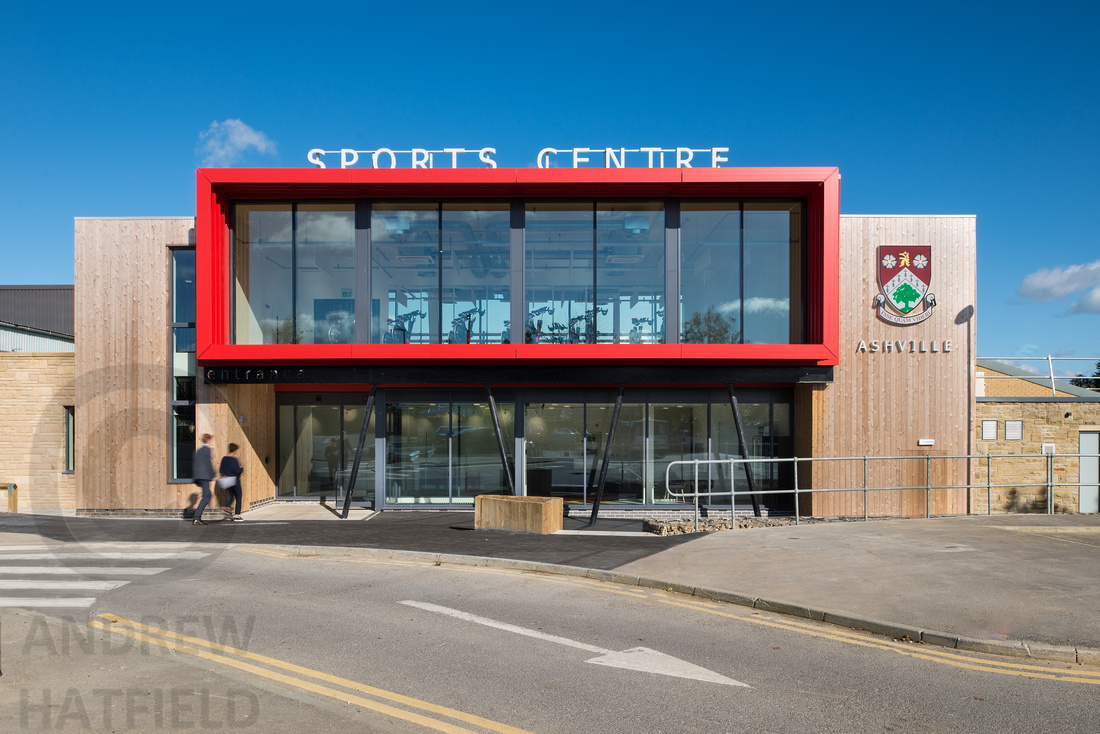 south elevation, sports centre, ashville school, harrogatefront elevation of the new modular constructed sports centre at ashville school in harrogate. image commissioned by caledonian modular and photographed by andrew hatfield.
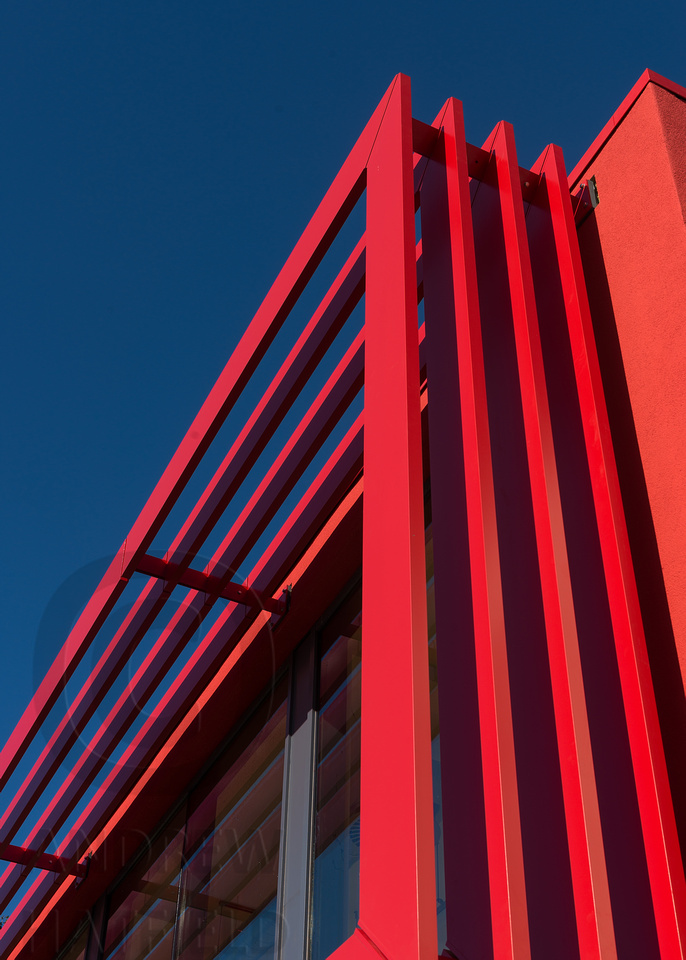 brise soleil detail, new sports center, ashville school, harrogate brise soleil detail to the front elevation of the new modular constructed sports centre at ashville school in harrogate. image commissioned by caledonian modular and photographed by andrew hatfield.
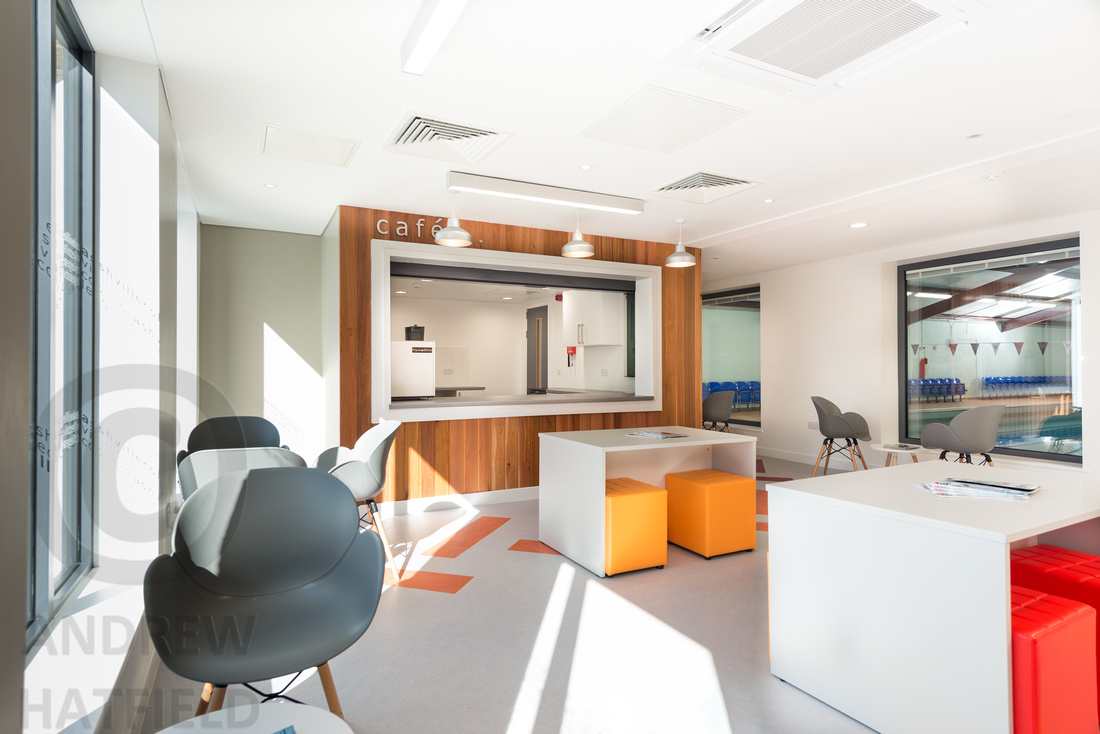 new pool side cafe, ashville school, harrogate - interior photographyview across the new café area towards the existing swimming pool at ashville school in harrogate. image commissioned by caledonian modular and photographed by andrew hatfield.
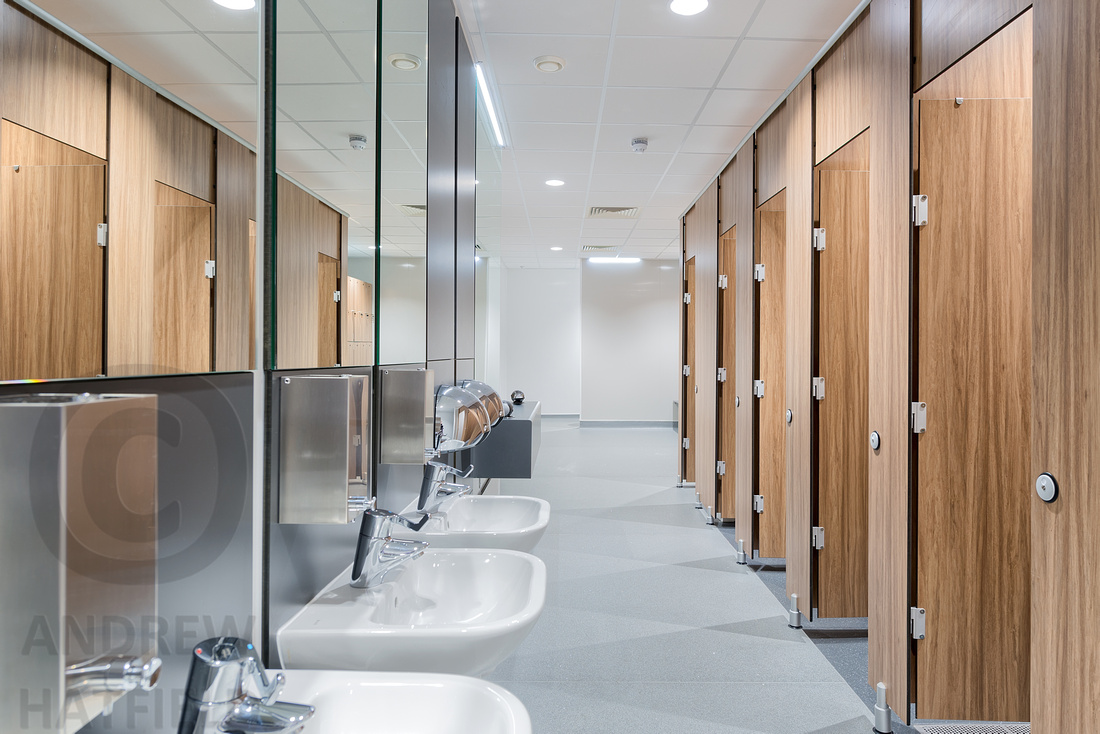 female changing room, new sports center, ashville school, harrogate - interior photographynew female changing facilities at the new modular sports centre at ashville school in harrogate. image commissioned by caledonian modular and photographed by andrew hatfield.
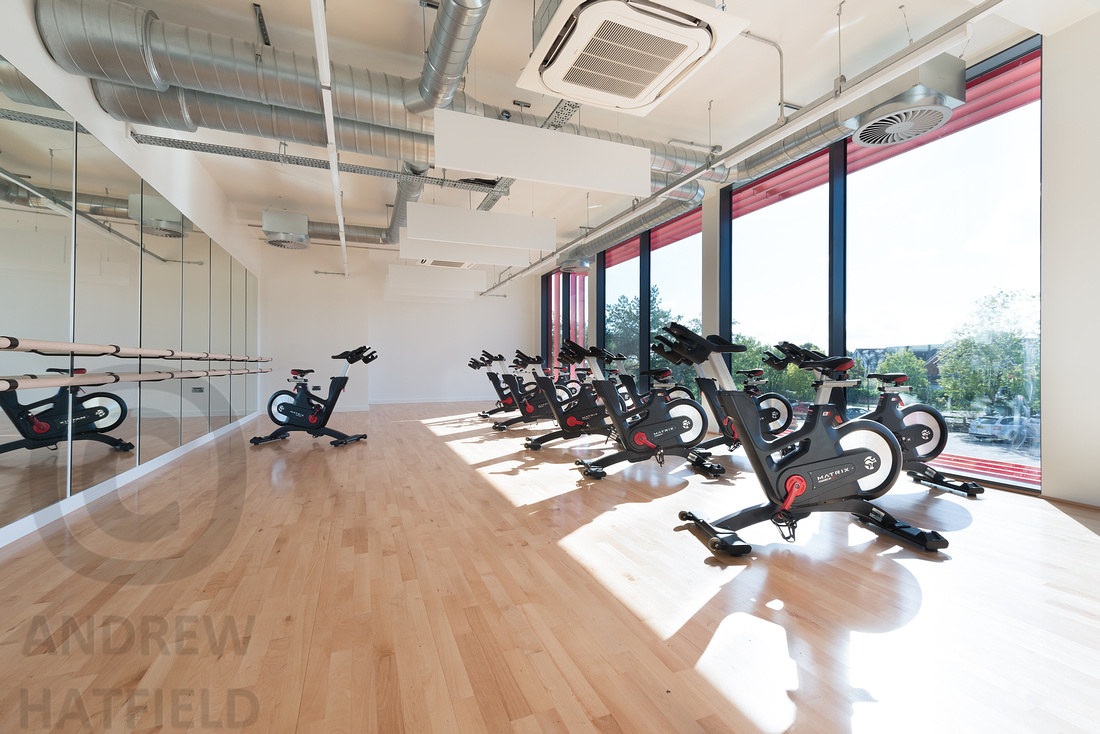 fitness/dance studio, new sports centre, ashville school harrogate - interior photographynew fitness and dance studio with full height glazing new sports centre at ashville school in harrogate. image commissioned by caledonian modular and photographed by andrew hatfield.